What Is Calcium and Mineral Staining on Glass Shower Screens — And Why Perth Homes Get Hit So Hard?
Discover exactly how hard water turns sparkling shower glass dull and cloudy in Perth — and why some glass fights it better than others.
GlassGlow Restoration™
3/29/20261 min read
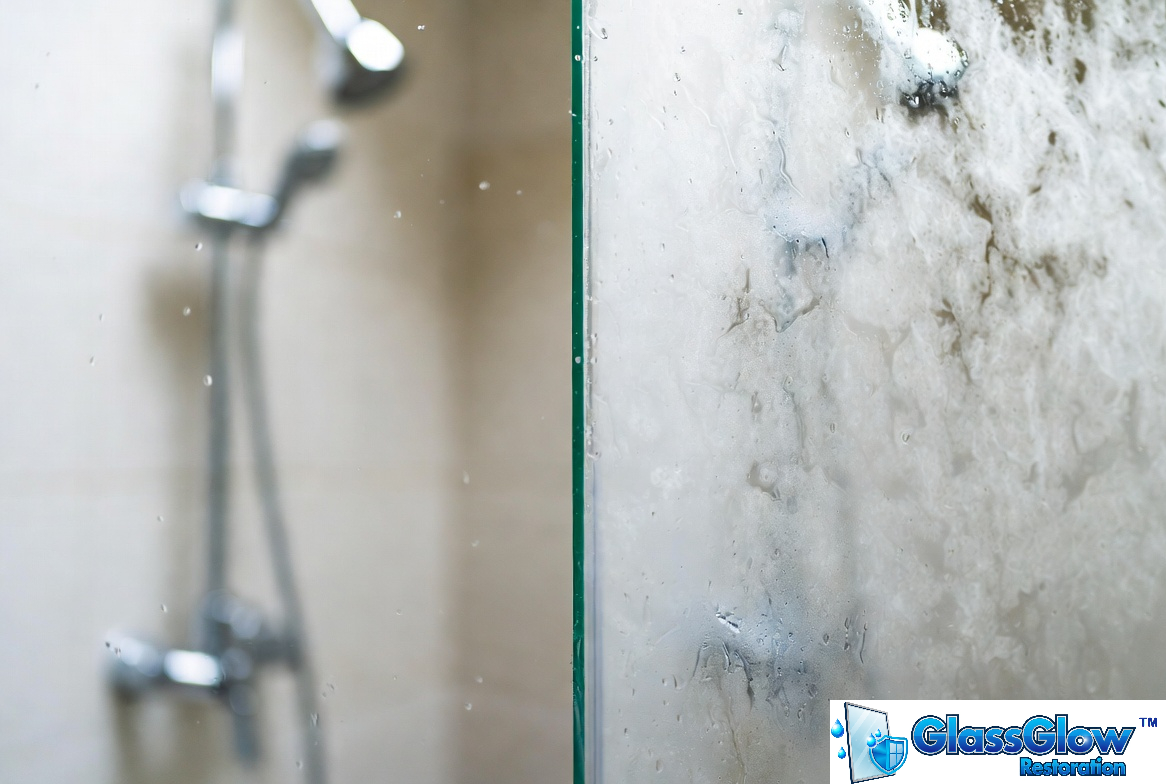
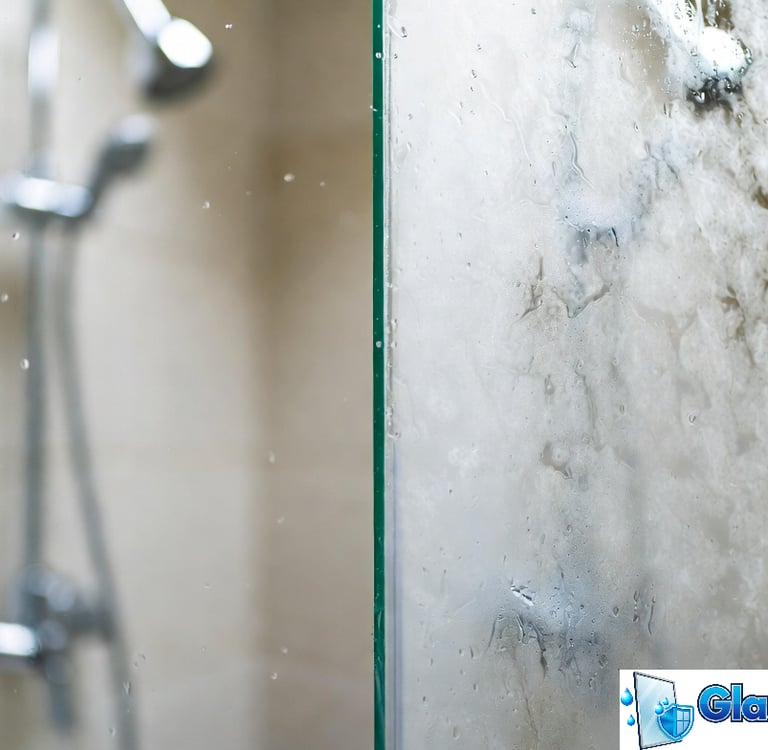
If you’ve ever stepped out of the shower and noticed your once-crystal-clear glass screen looking foggy, streaky, or covered in white spots, you’re not alone. In Perth, this is incredibly common — and it’s not dirt or soap. It’s calcium and mineral staining.
Here’s what actually happens: Perth’s water supply is naturally “hard.” It contains high levels of dissolved minerals, mainly calcium and magnesium, picked up as rainwater filters through the local soil and limestone. When you shower, tiny droplets of this mineral-rich water land on your glass. As the hot water evaporates, those minerals are left behind. Over time, they crystallise and bond to the glass surface, forming a stubborn white or cloudy film.
It’s not just unsightly. The longer it sits there, the harder it becomes to remove — and the more it can damage the glass underneath.
Why some glass suffers more
Not all shower glass is created equal. Premium low-iron glass has fewer impurities and a smoother molecular surface, so minerals have a harder time sticking. Standard clear glass (the cheaper option most builders use) contains more iron oxide and microscopic pits from manufacturing. These tiny imperfections act like tiny traps, grabbing onto calcium and magnesium even faster. That’s why one neighbour’s shower stays clear for years while yours clouds up in months.
Left unchecked, these stains don’t just sit on top — they start the slow process that leads to permanent damage (more on that in our next blog).
At GlassGlow Restoration™ we specialise in safely removing these built-up minerals and applying a protective nano-coating so the problem doesn’t come back.
Contact
GlassGlow Restoration™
Phone
© 2026. All rights reserved.